FIBER DETAILS
Uses: For Spinning in Traditional/ Modern European Spinning Wheels and Traditional Charkha
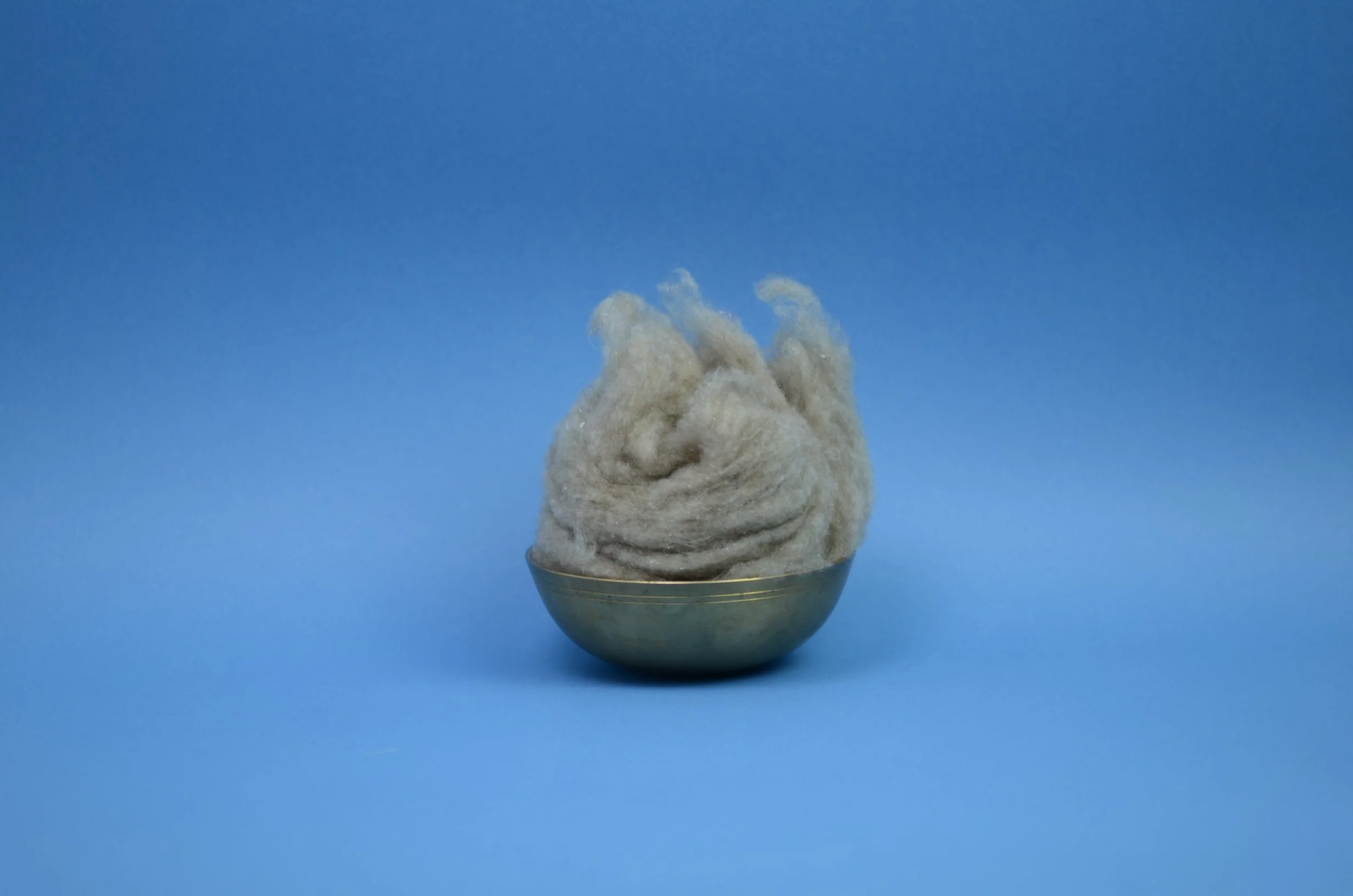
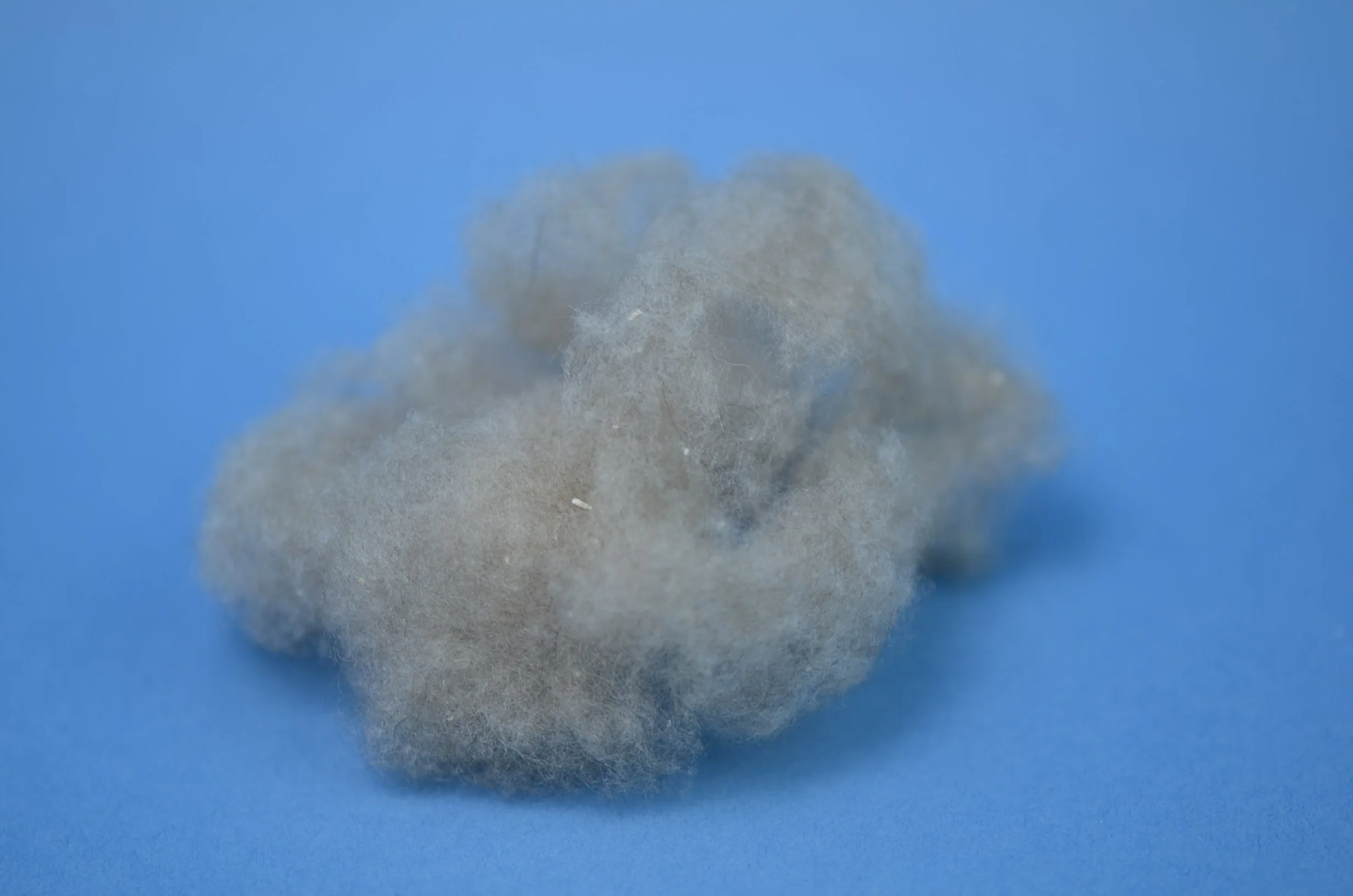
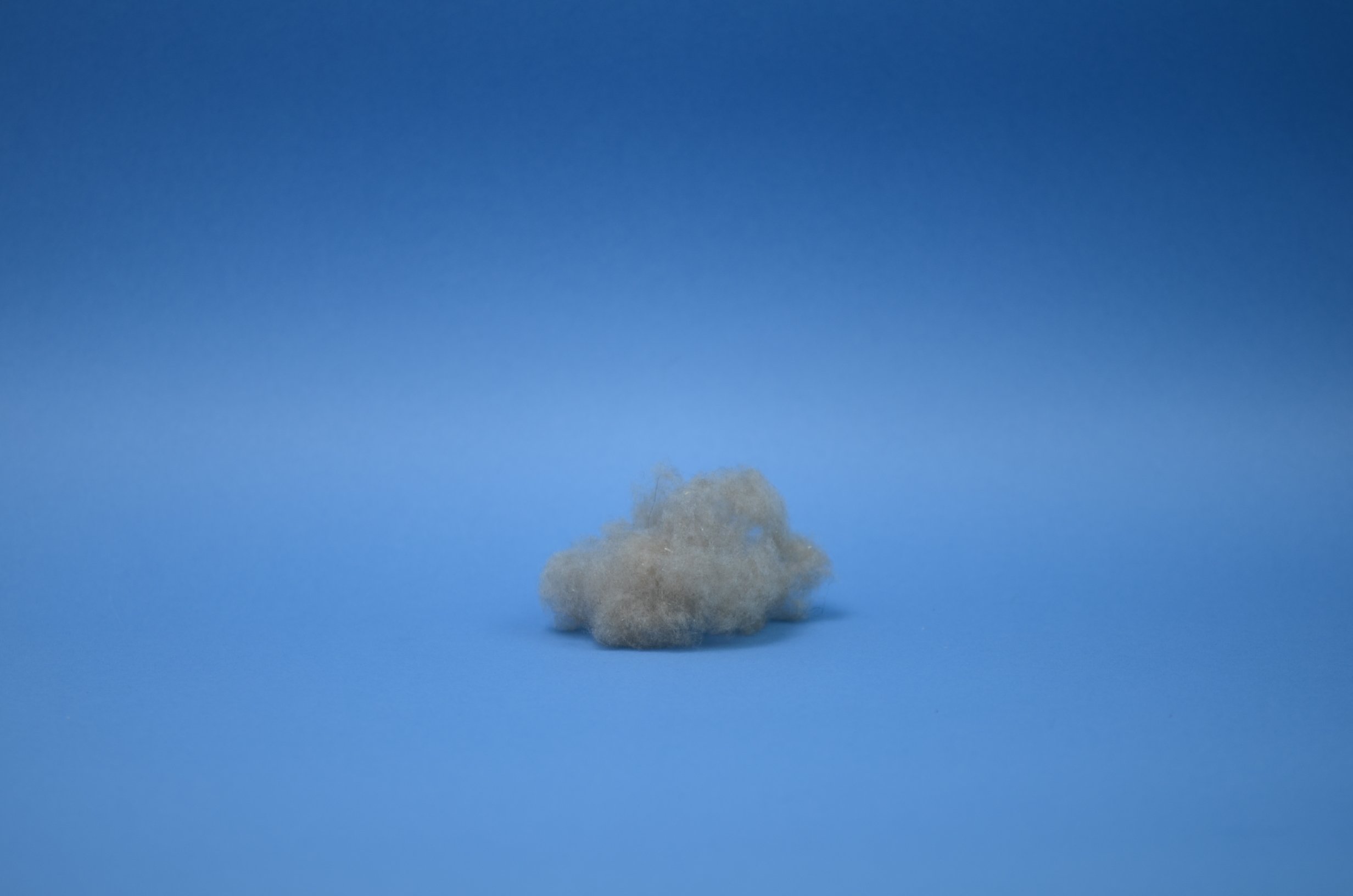
Fiber : 100 % Nepali Yak ( raw) down Yarn
Yardage: From 1 oz. to 1 lbs
Suggested modification: Ashford Spinning wheel
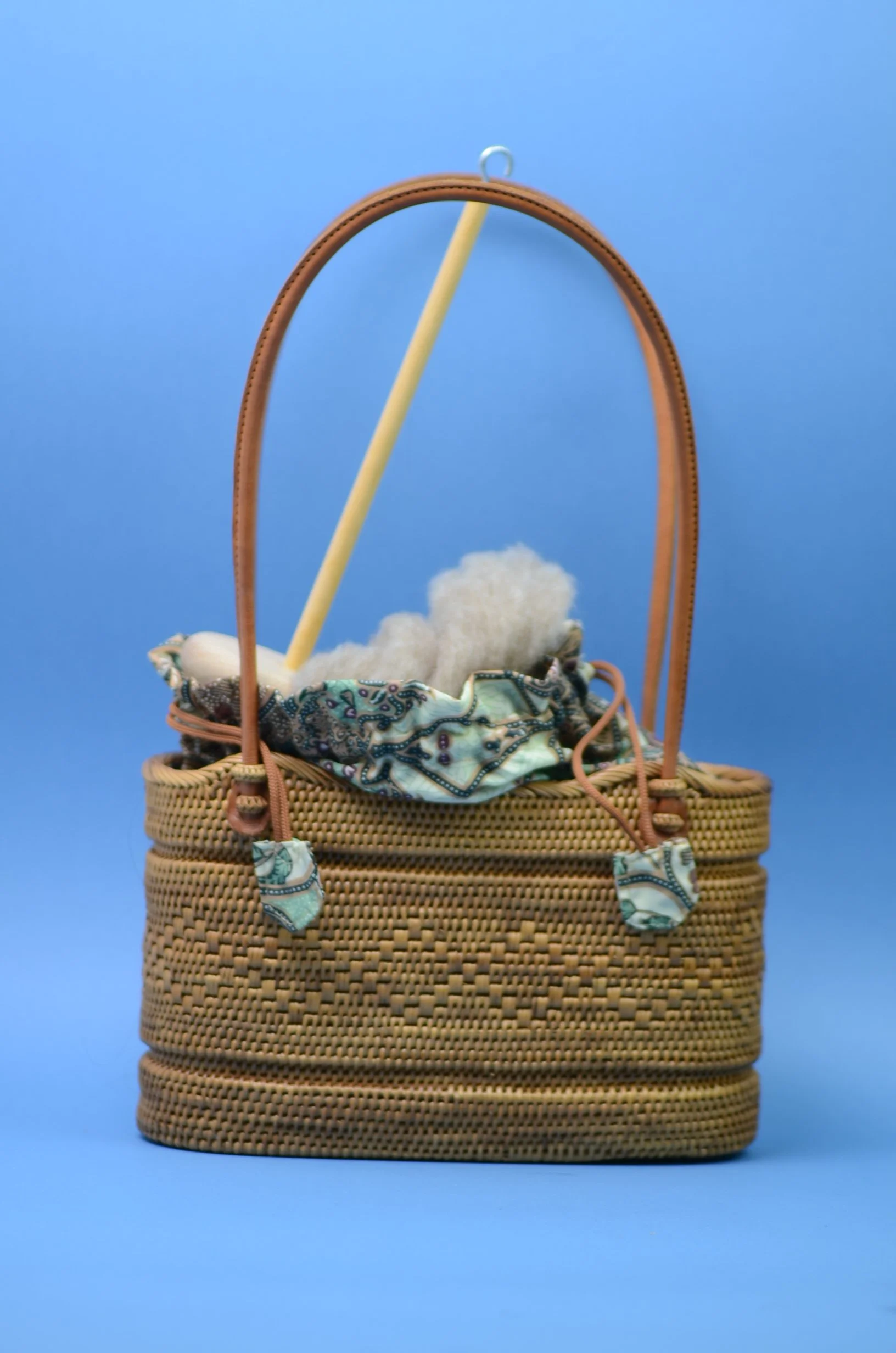
Add ons for spinning
Care Instruction: hand wash in cold water, lay flat to dry
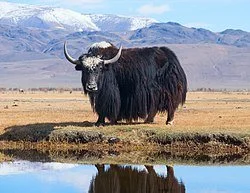
Yak fiber is the term commonly used to refer yak fiber wool produced from the coat hair of yaks (Bos grunniens), a long-haired bovine mainly found in the Himalayan region, Tibetan plateau, and some areas of Mongolia and Central Asia.
From the Himalayan Region of Nepal - Altitude. This is the finest fiber (16–18 microns) and is generally shed by the animal during late spring/early summer period. Therefore, this fine layer needs to be harvested before it is shed in the summer season. Down fiber, and fewer sweat glands, are two examples of how yaks have adapted to survive extreme cold temperatures (sometimes as low as −50 °C, or −58 °F) and altitudes well above 3000 m.[2]
When yaks are raised for fiber purposes, that down is combed and harvested before it would fall naturally off the animal. The down is then sorted, de-haired, and eventually, spun into yarn, kind of like cashmere and Quiviut. It’s not exactly easy stuff to obtain (yak are not as nearly as prevalent as, say, the fiber sheep that dominate the human population of places like New Zealand), but it makes for miraculous yarn.
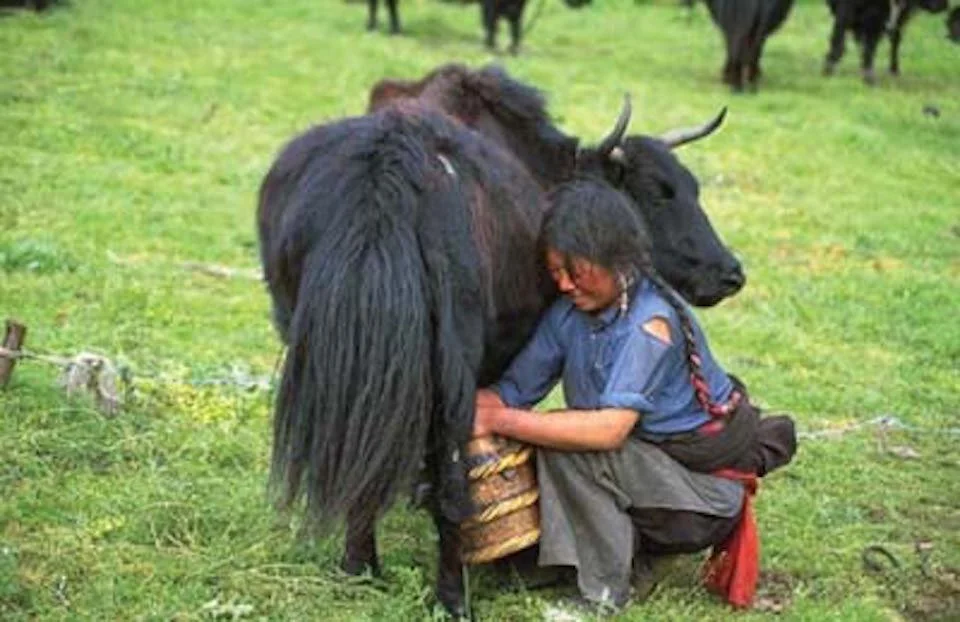
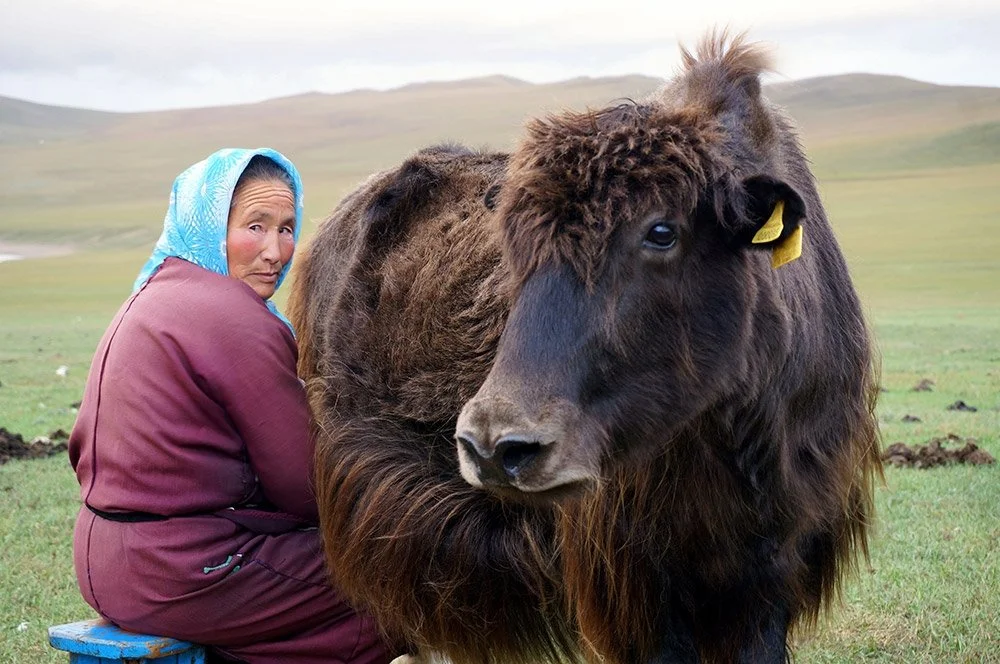
Like many mammals adapted to cold climates, they have a dual coat made up of coarse outer guard hairs and an inner layer of extremely soft, warm down that helps them survive extreme cold. Yaks are fully domesticated and many Himalayan cultures depend on them for fiber, milk, cheese, and butter. Yak down is warmer than wool and exceptionally soft, and it is perfect for making warm garments for against-the-skin wear.
FIBER DETAILS
Uses: For Spinning in Traditional/ Modern European Spinning Wheels and Traditional Charkha
Fiber : 100 % Nepali Yak ( raw) down Yarn
Yardage: From 1 oz. to 1 lbs
Suggested modification: Ashford Spinning wheel
Add ons for spinning
Care Instruction: hand wash in cold water, lay flat to dry
Yak fiber is the term commonly used to refer yak fiber wool produced from the coat hair of yaks (Bos grunniens), a long-haired bovine mainly found in the Himalayan region, Tibetan plateau, and some areas of Mongolia and Central Asia.
From the Himalayan Region of Nepal - Altitude. This is the finest fiber (16–18 microns) and is generally shed by the animal during late spring/early summer period. Therefore, this fine layer needs to be harvested before it is shed in the summer season. Down fiber, and fewer sweat glands, are two examples of how yaks have adapted to survive extreme cold temperatures (sometimes as low as −50 °C, or −58 °F) and altitudes well above 3000 m.[2]
When yaks are raised for fiber purposes, that down is combed and harvested before it would fall naturally off the animal. The down is then sorted, de-haired, and eventually, spun into yarn, kind of like cashmere and Quiviut. It’s not exactly easy stuff to obtain (yak are not as nearly as prevalent as, say, the fiber sheep that dominate the human population of places like New Zealand), but it makes for miraculous yarn.
Like many mammals adapted to cold climates, they have a dual coat made up of coarse outer guard hairs and an inner layer of extremely soft, warm down that helps them survive extreme cold. Yaks are fully domesticated and many Himalayan cultures depend on them for fiber, milk, cheese, and butter. Yak down is warmer than wool and exceptionally soft, and it is perfect for making warm garments for against-the-skin wear.
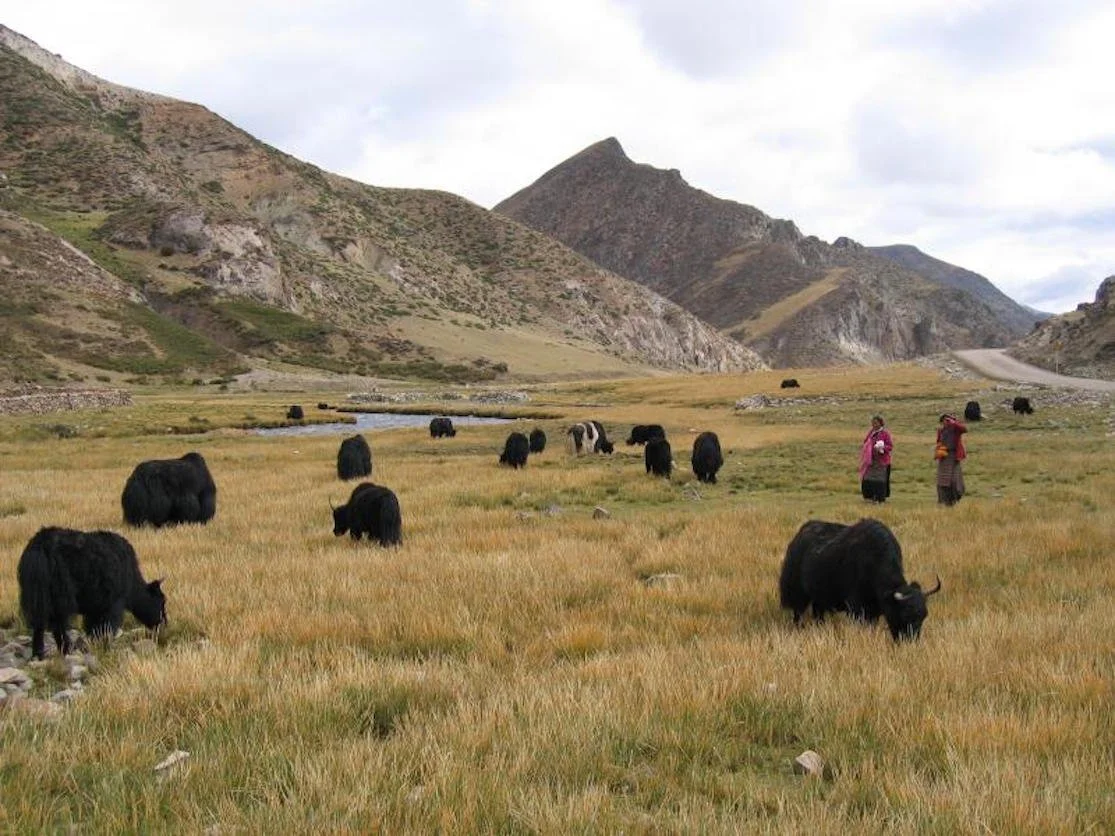 Image 1 of 6
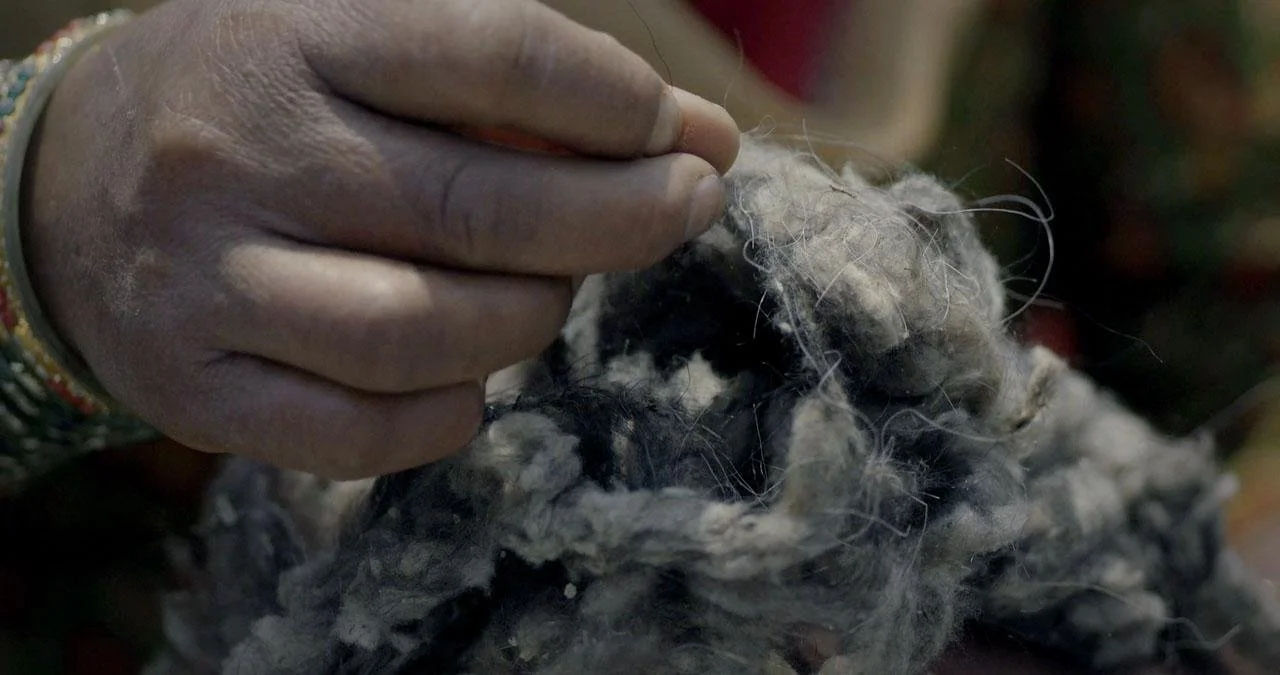 Image 2 of 6
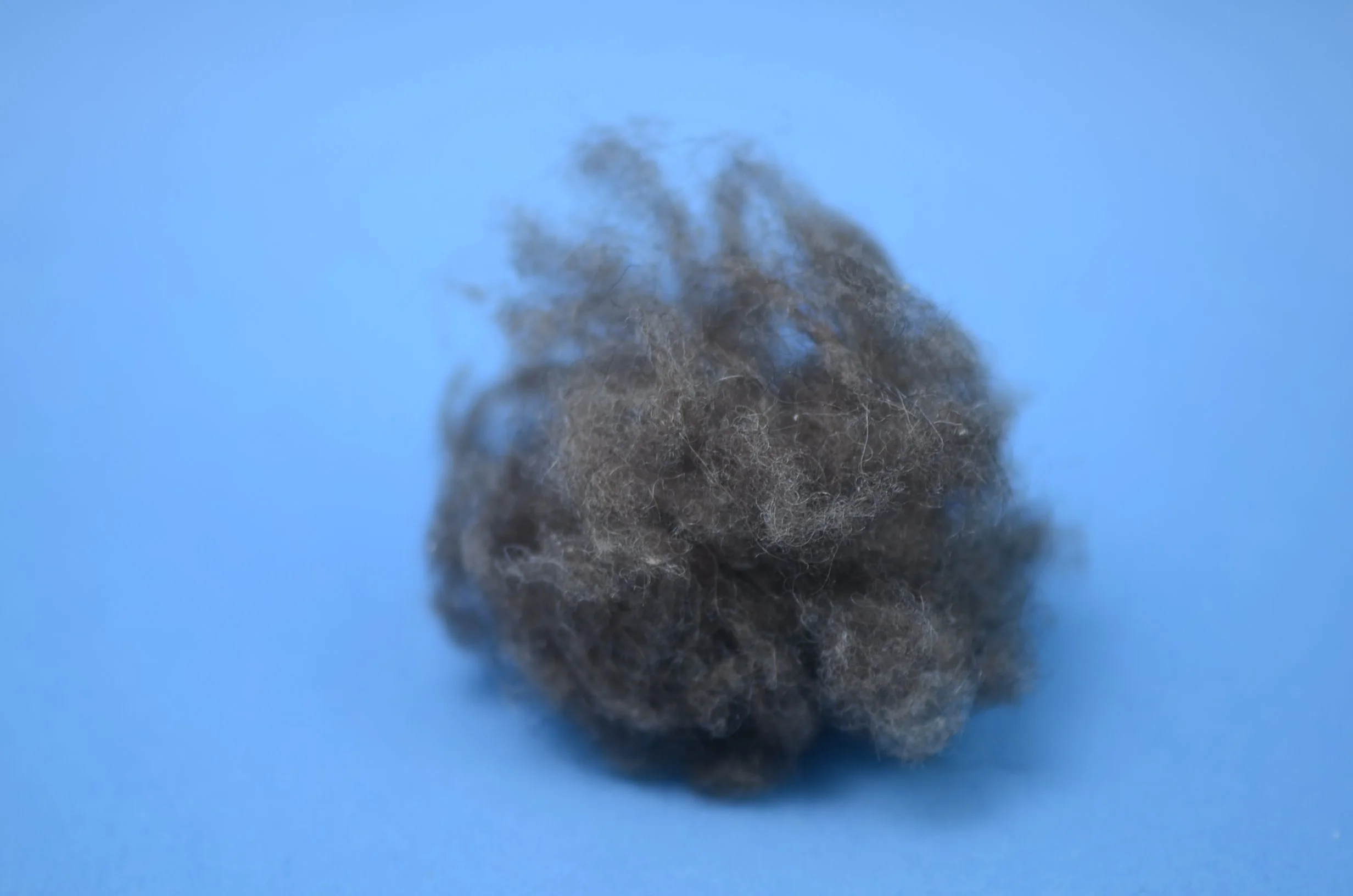 Image 3 of 6
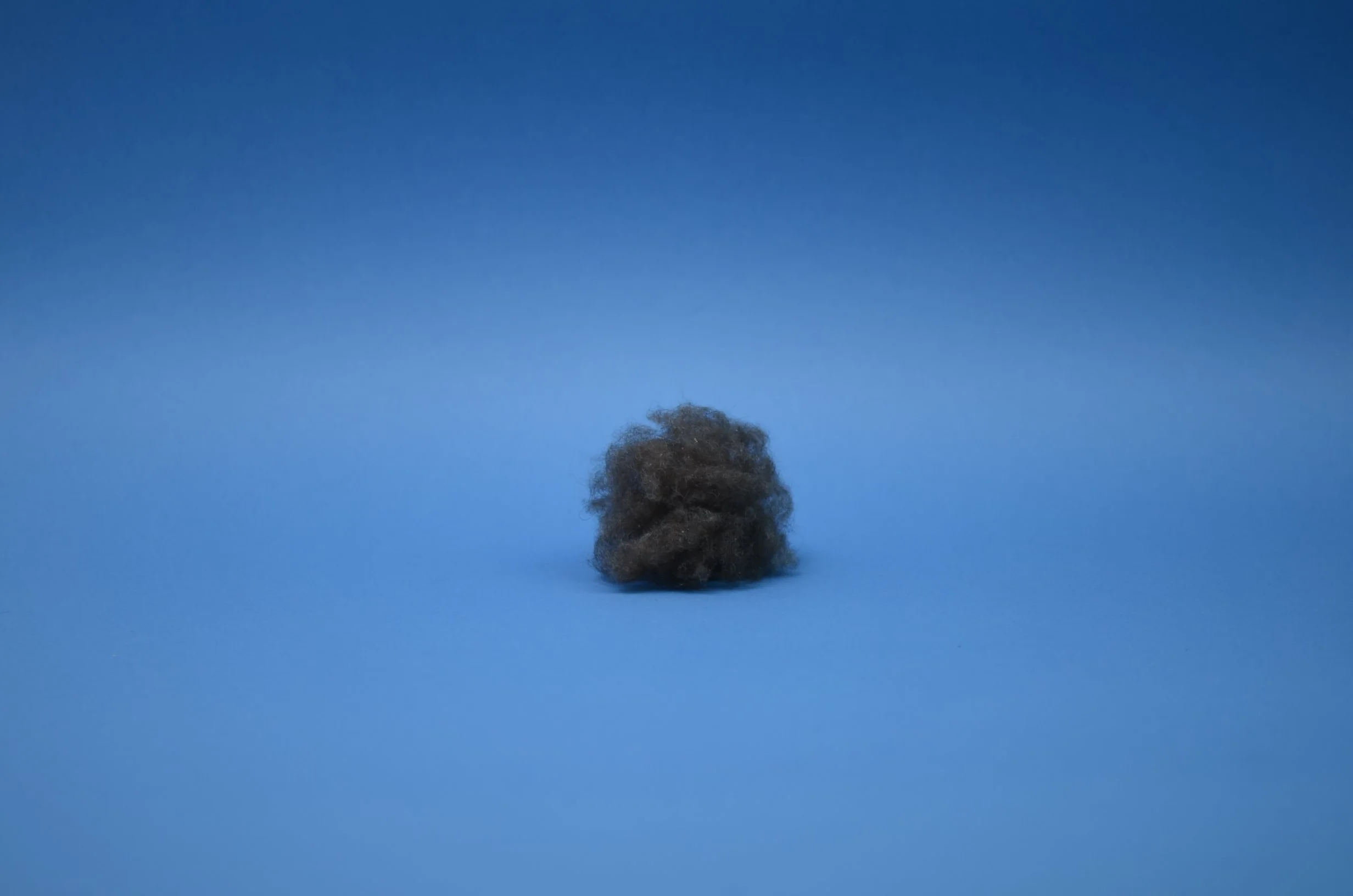 Image 4 of 6
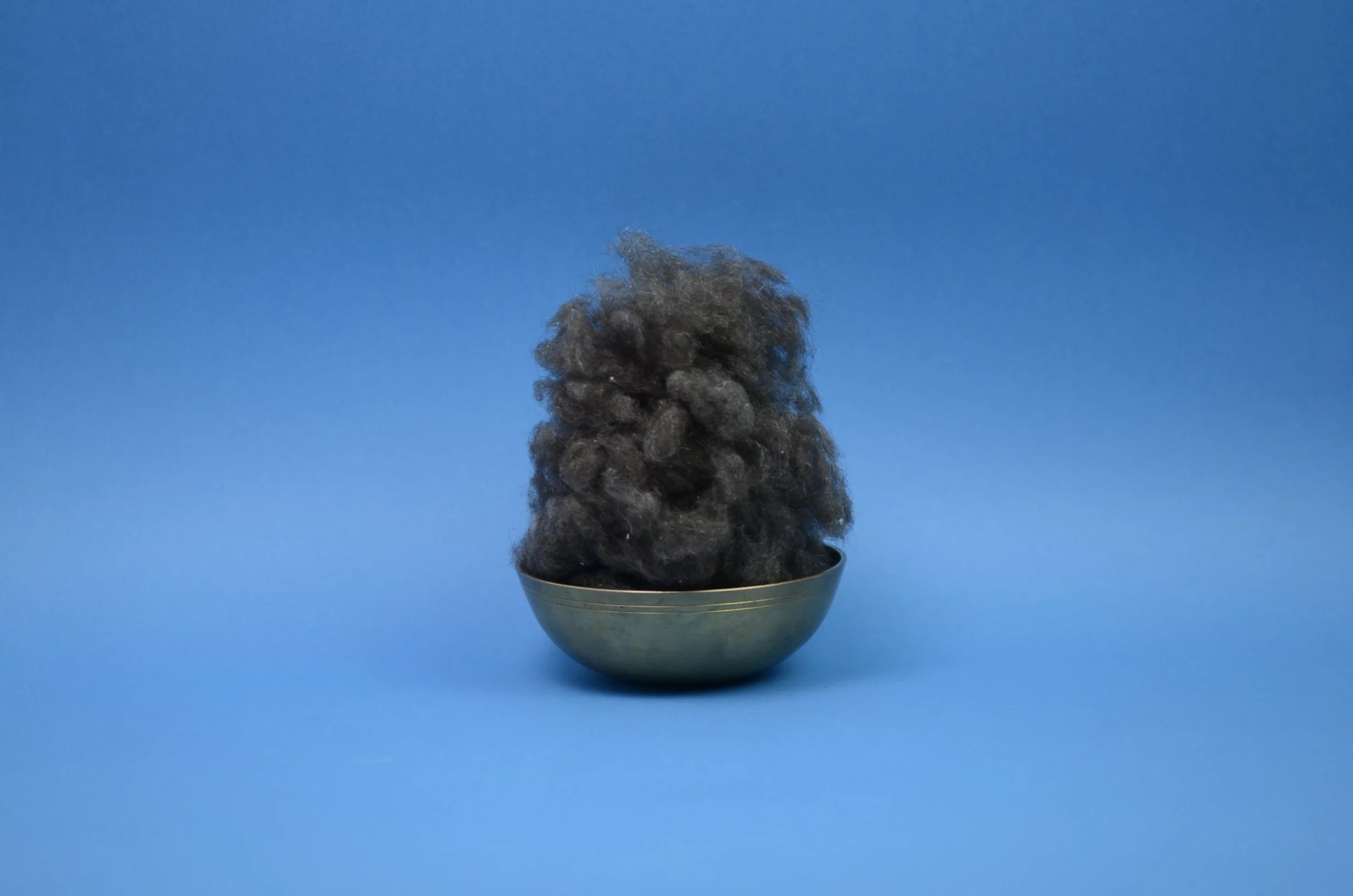 Image 5 of 6
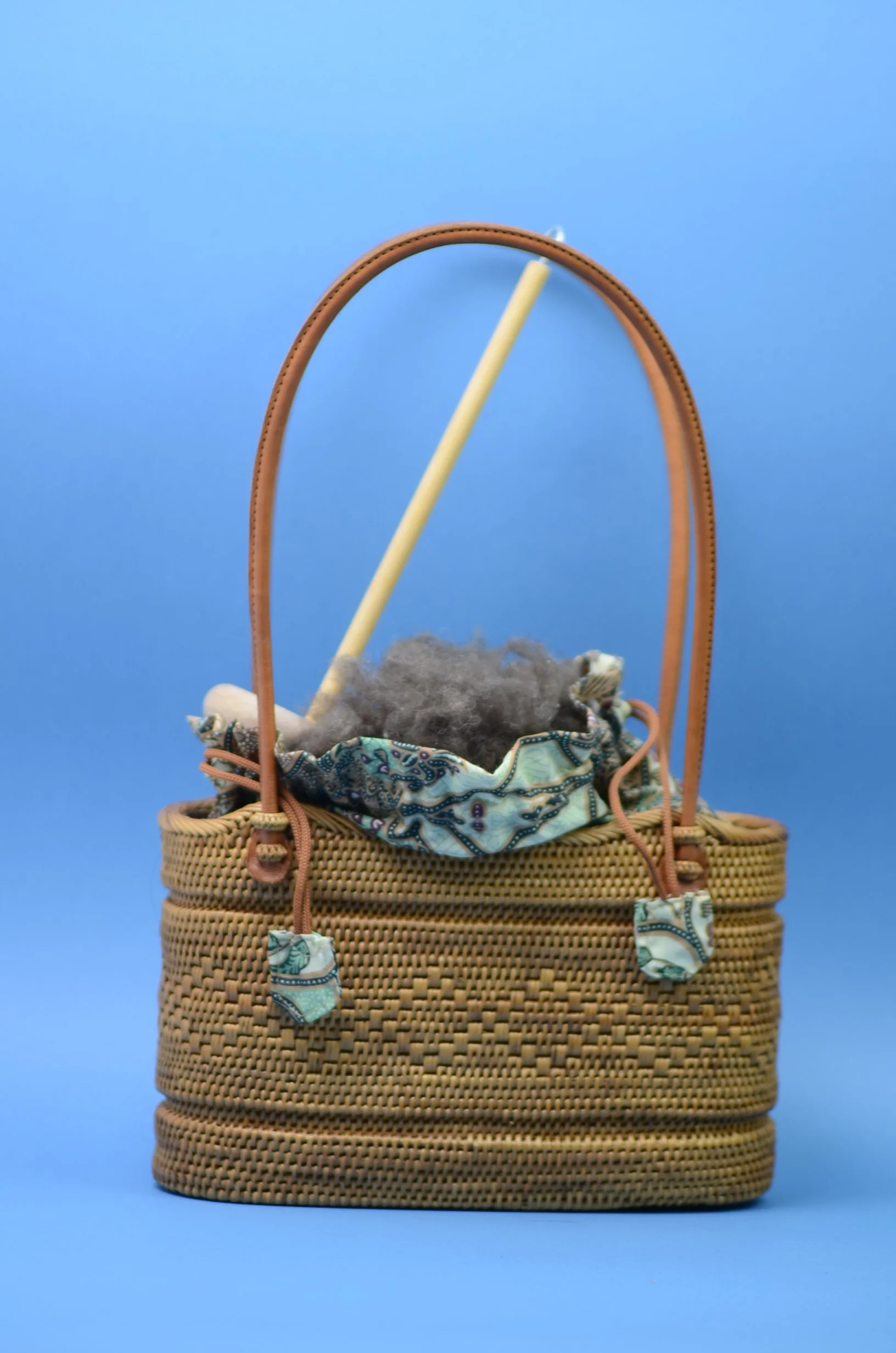 Image 6 of 6