 Image 1 of 1
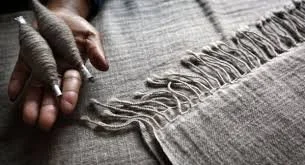
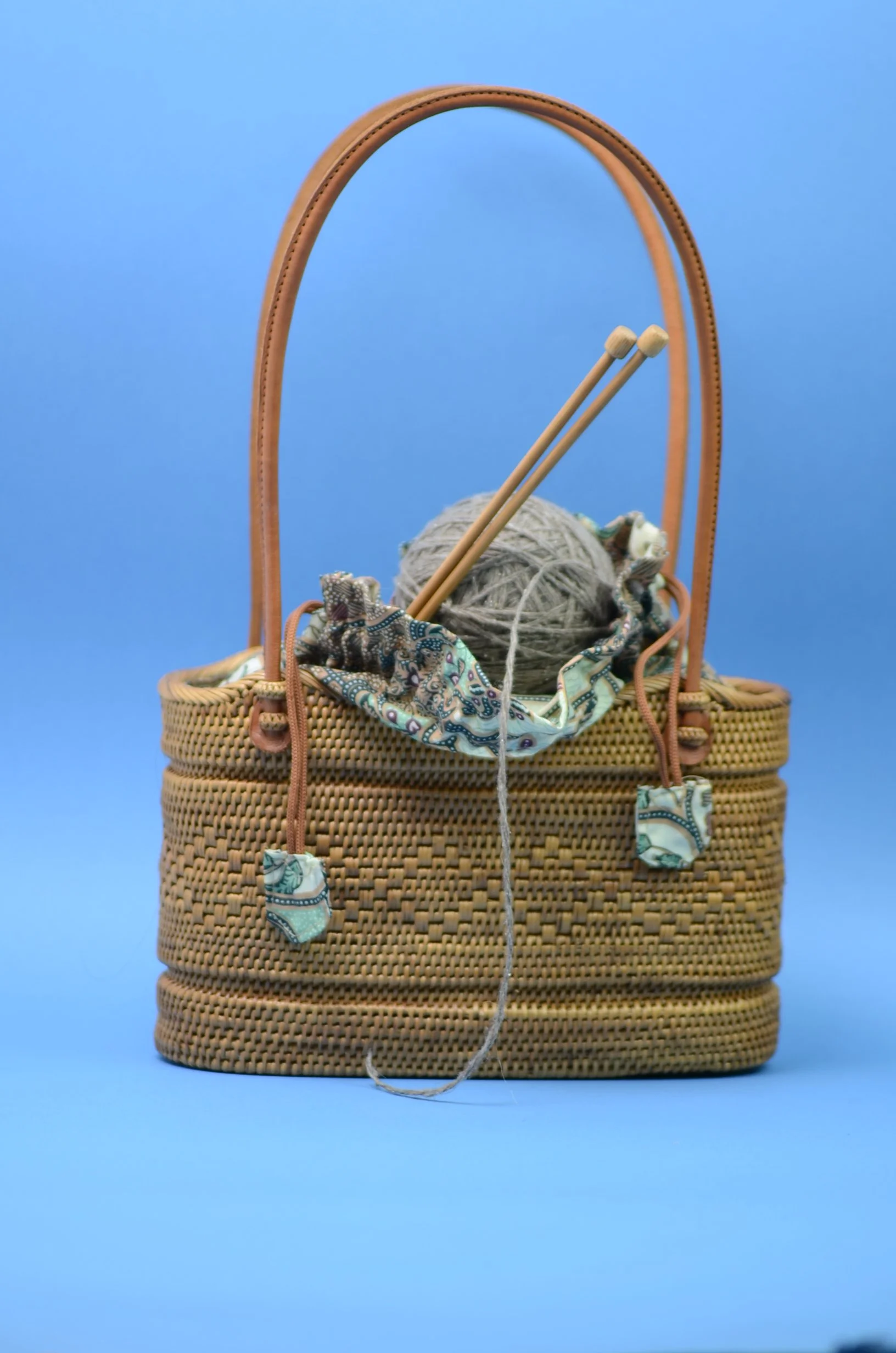
Uses: For weaving in modern looms or traditional looms ( like Kargha), Knitting/Crocheting as a fingerling weight yarn or any other fiber arts
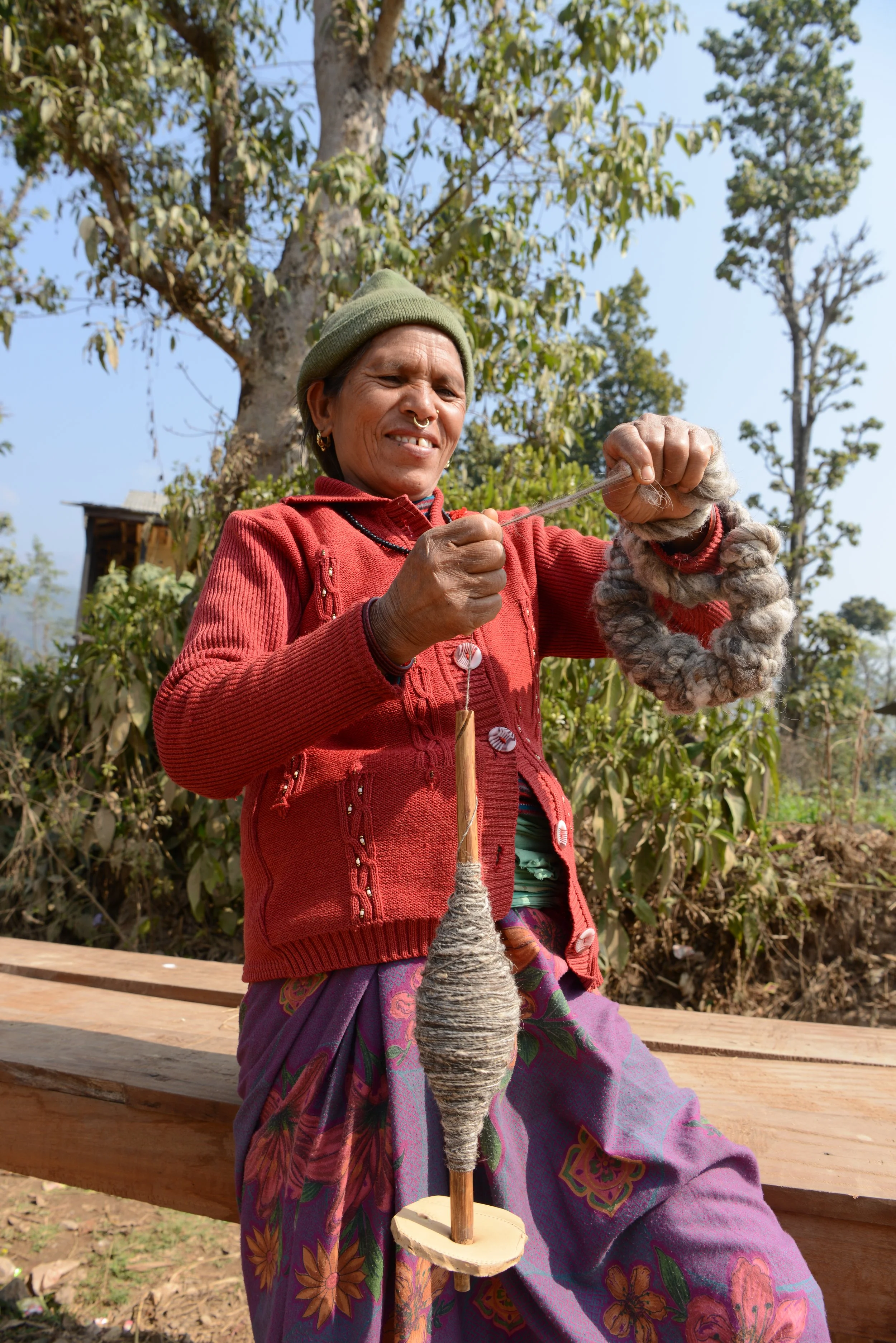
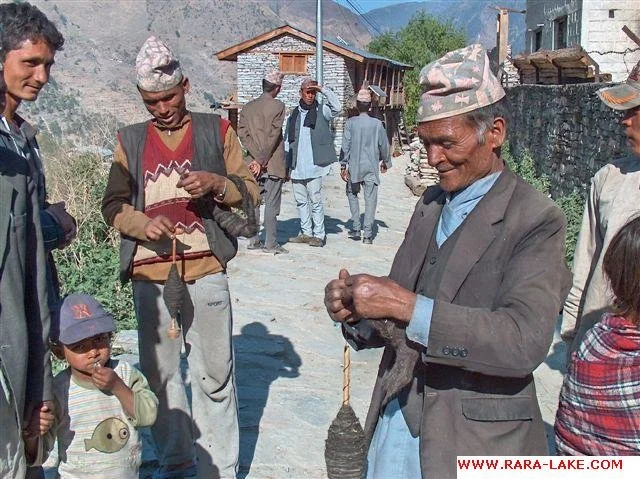
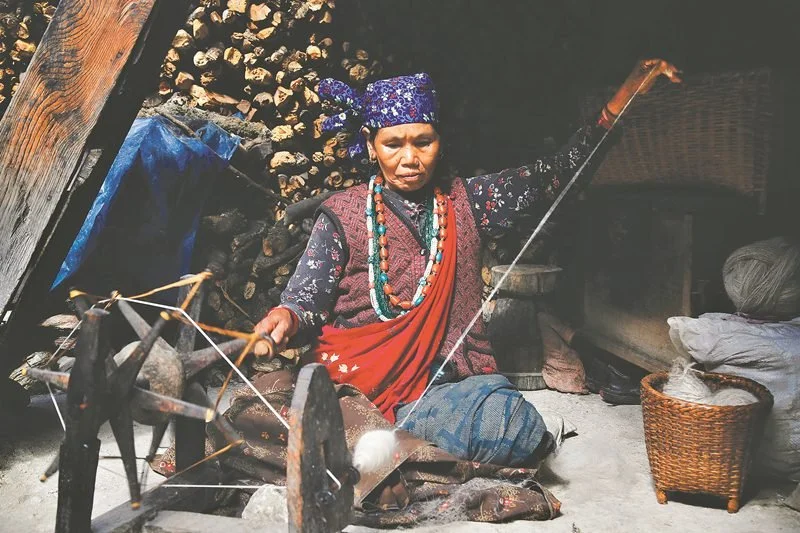
Spinning Technique: Spun on traditional hand charka and drop spindle
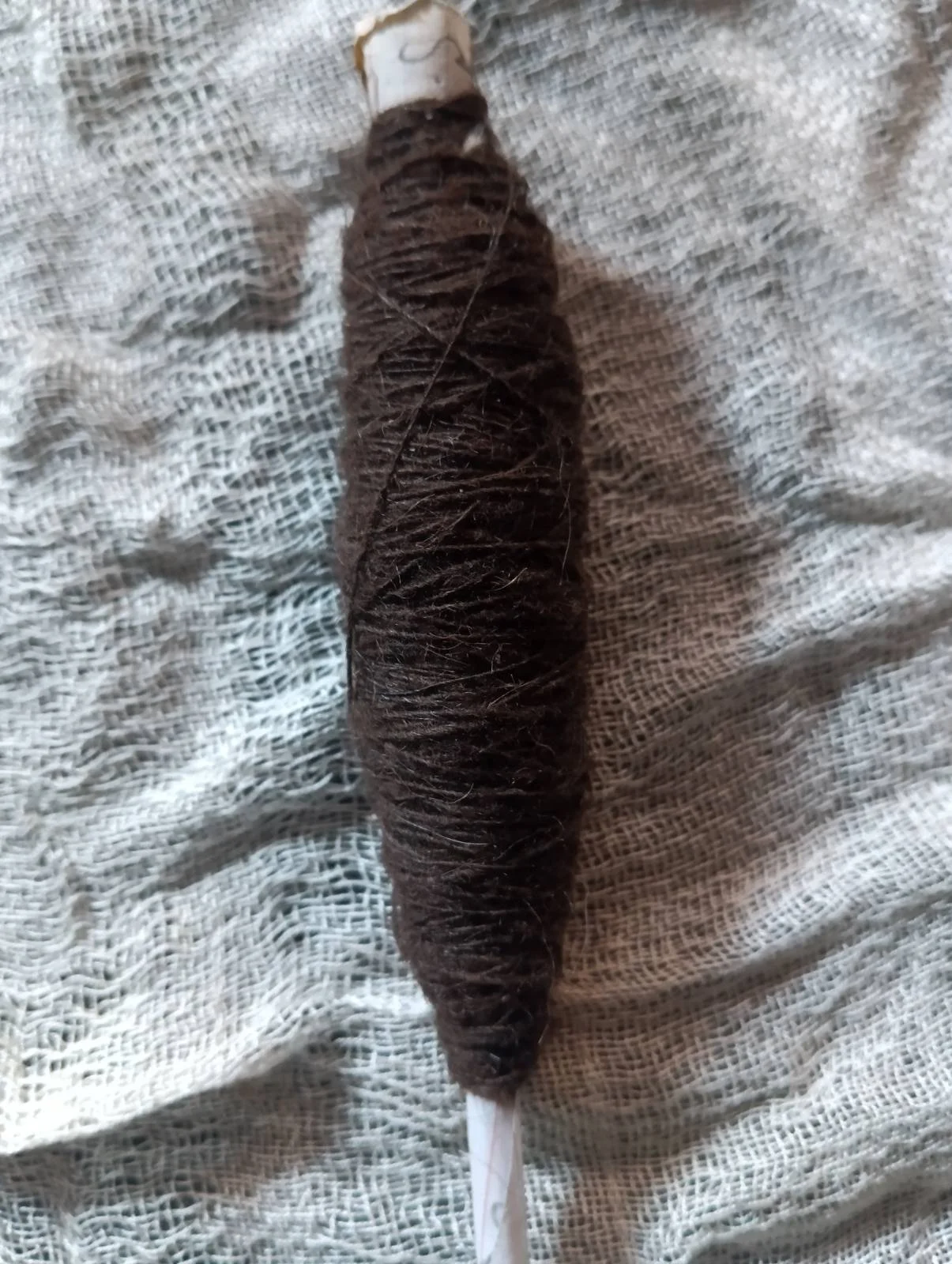
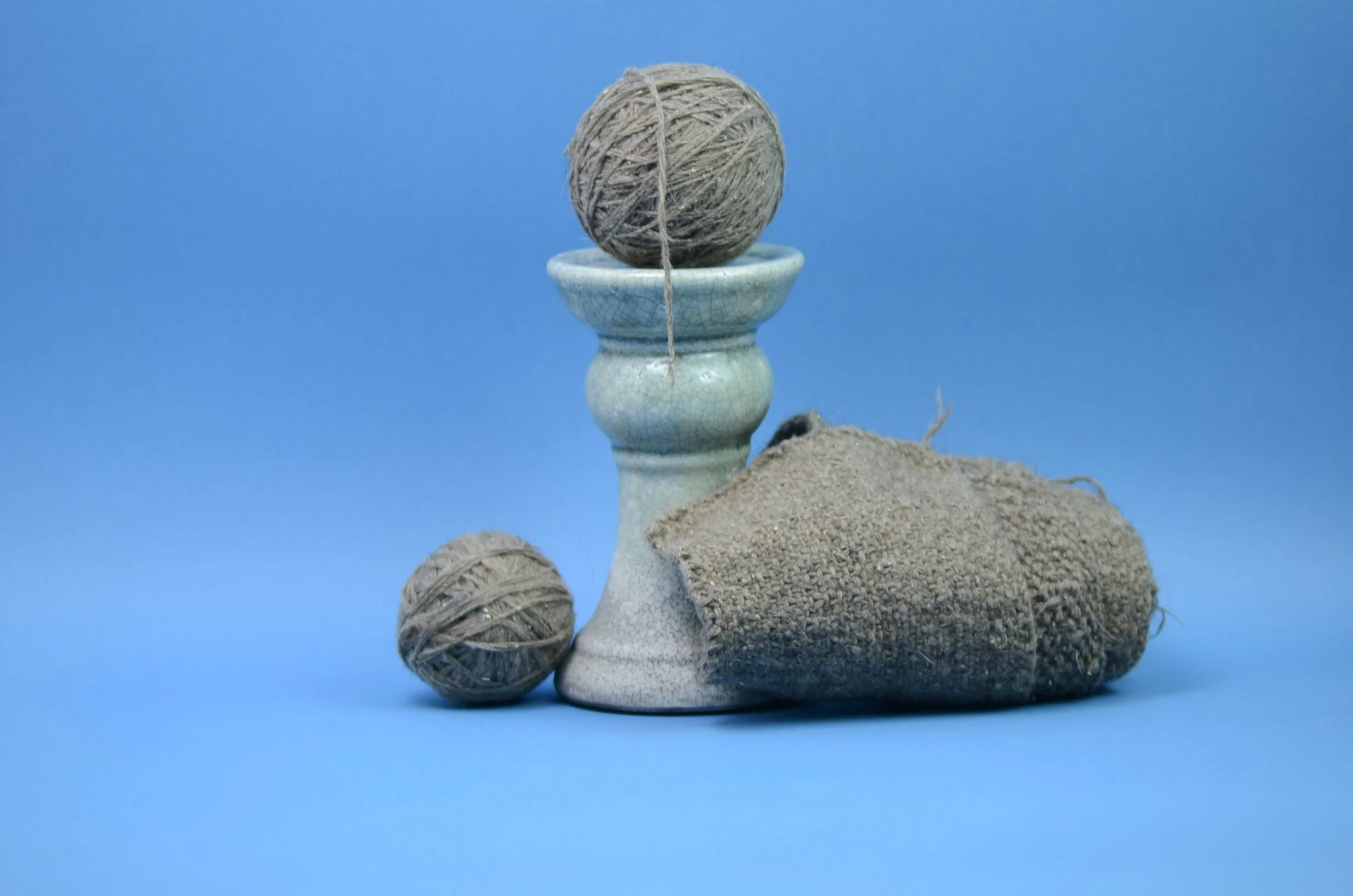
Fiber : 100% Dehairedf Undyed Raw Himalayan Pashmina Cashmere
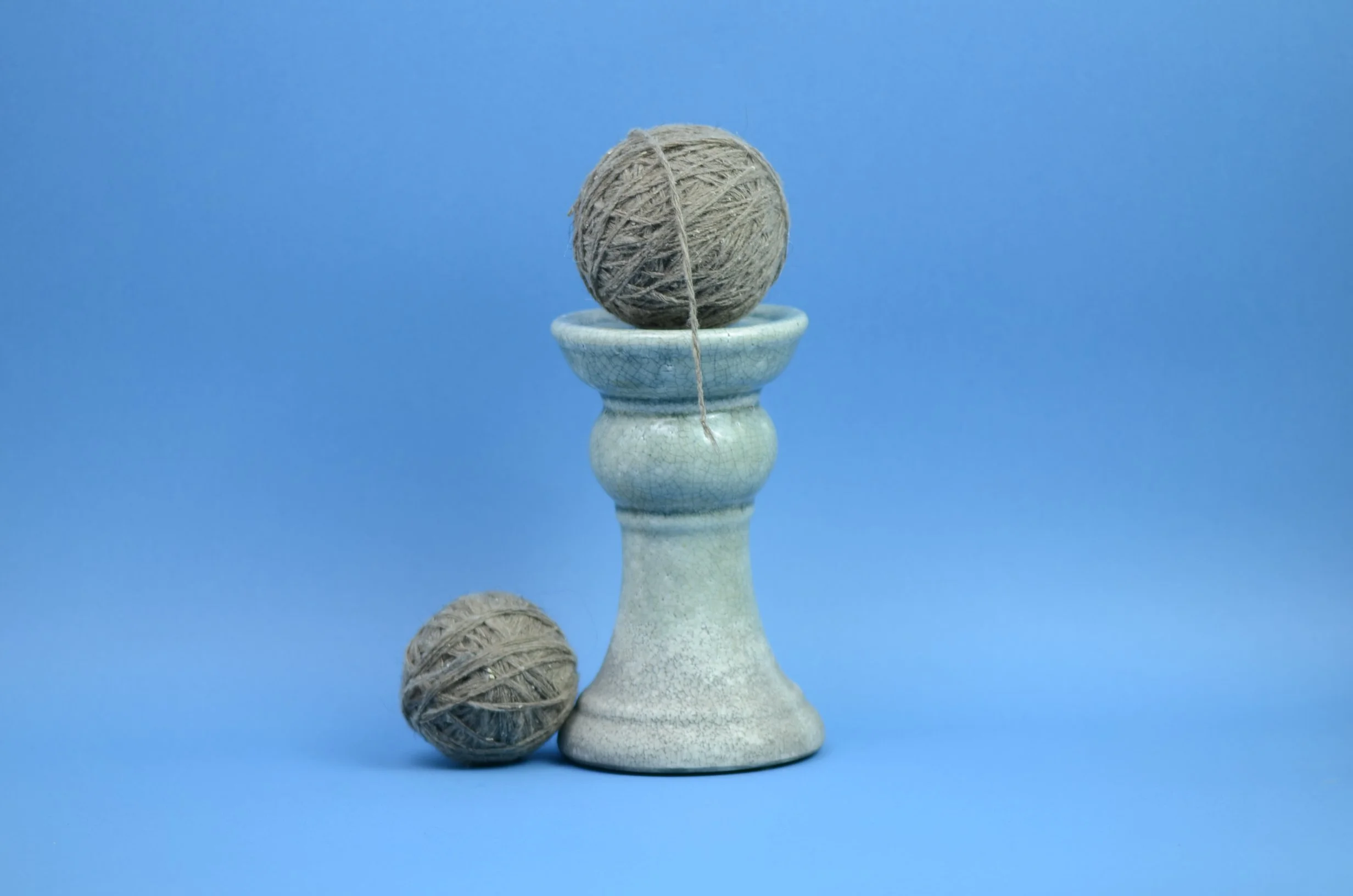
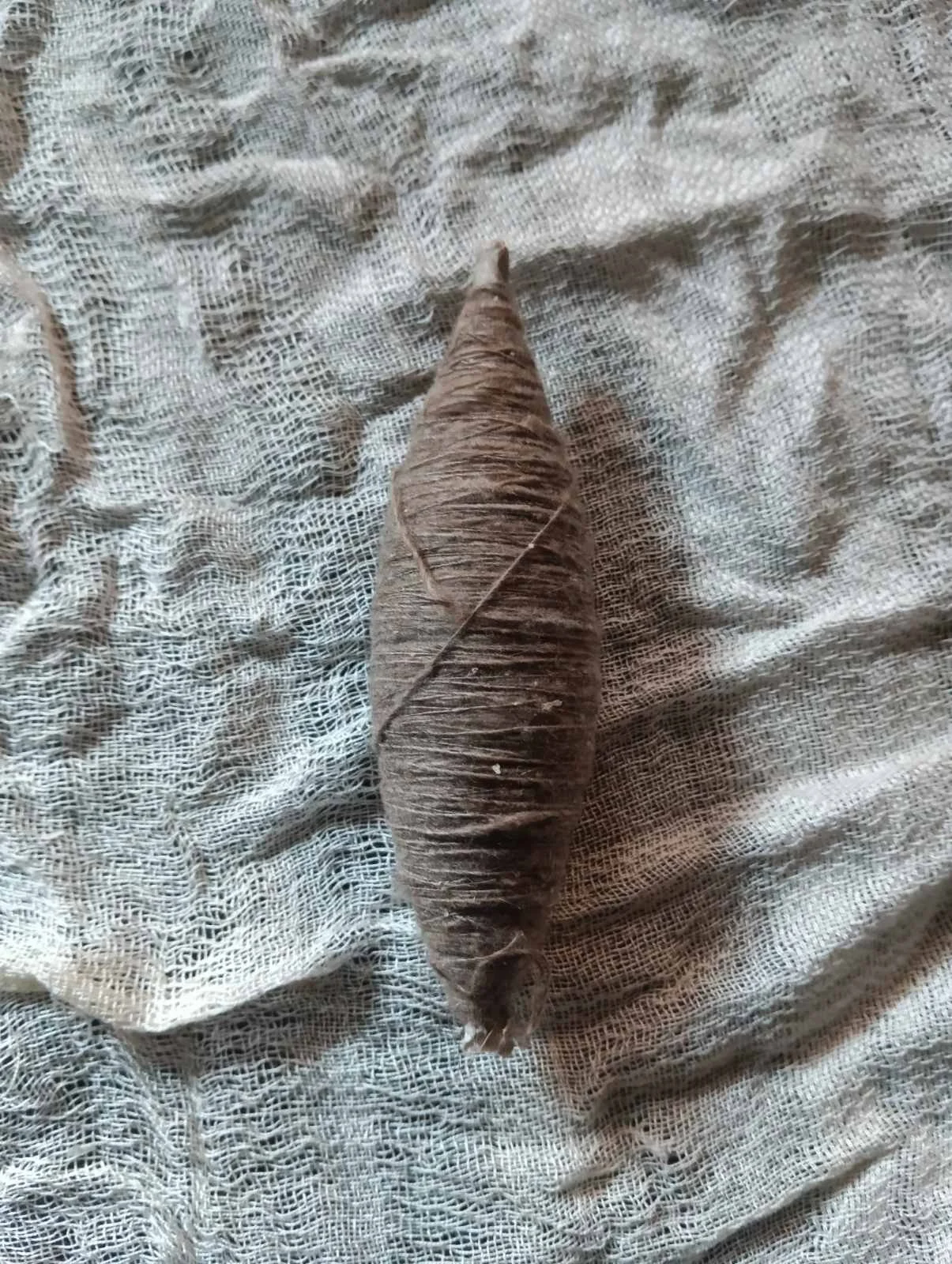
Yardage: Approx. 200 meters / 50 grams per paper bobbin
Suggested Needles: US 3-5 (3.25mm-3.75mm)
Care Instruction: hand wash in cold water, lay flat to dry
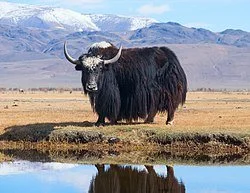
Source : The only source of true pashmina is the Changthangi goat, a special breed of cashmere goat native to the high valleys of the western Himalayas.
Micron- Ranging between 12 to 13 microns. This places Nepal’s Pashmina Cashmere at the top tier of fine fibres, with diameters far finer than even the most delicate human hair. Sheep between 22-25
Makes Friends with other fiber like : Silk, Merino, Cashmere
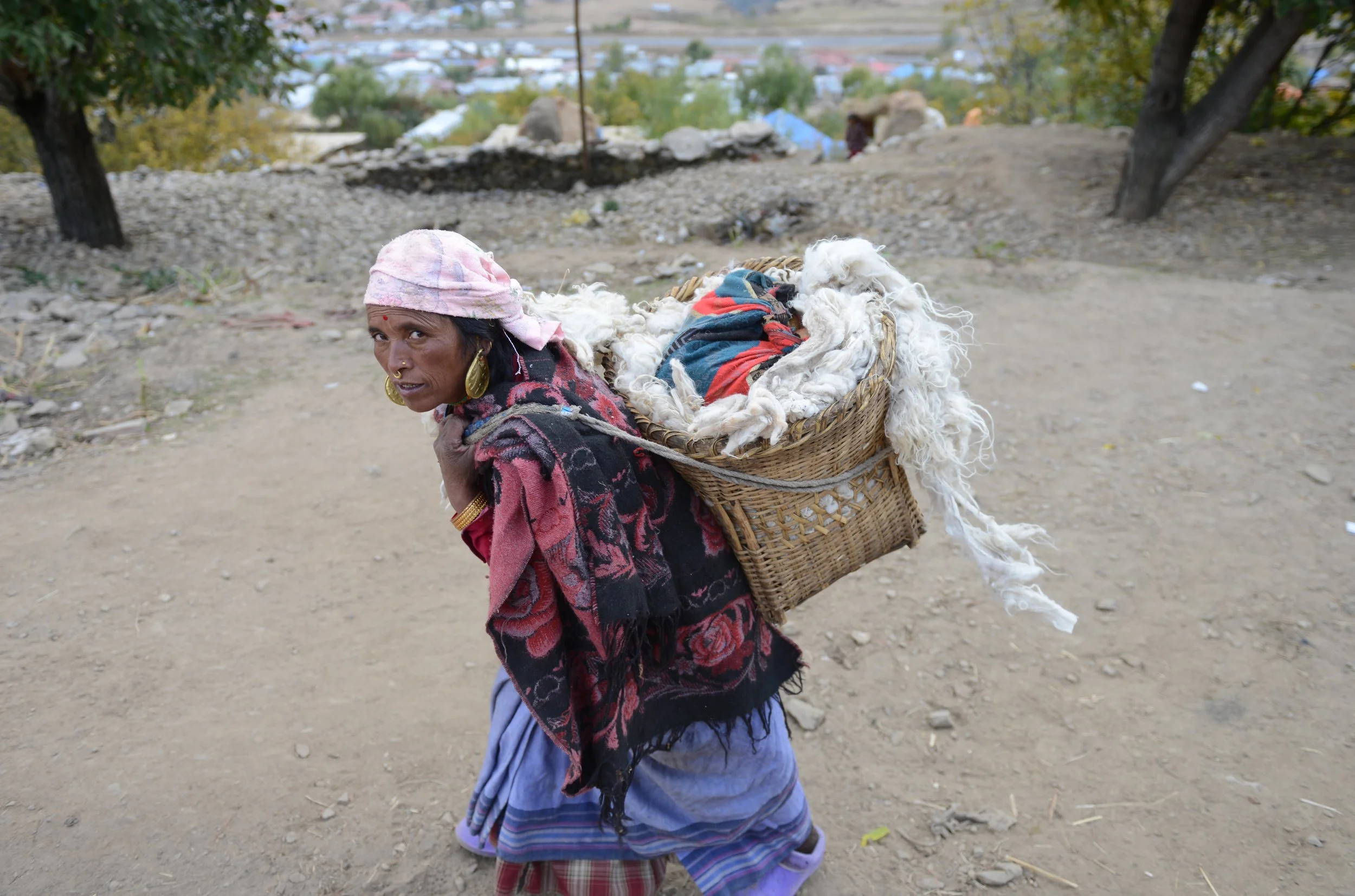
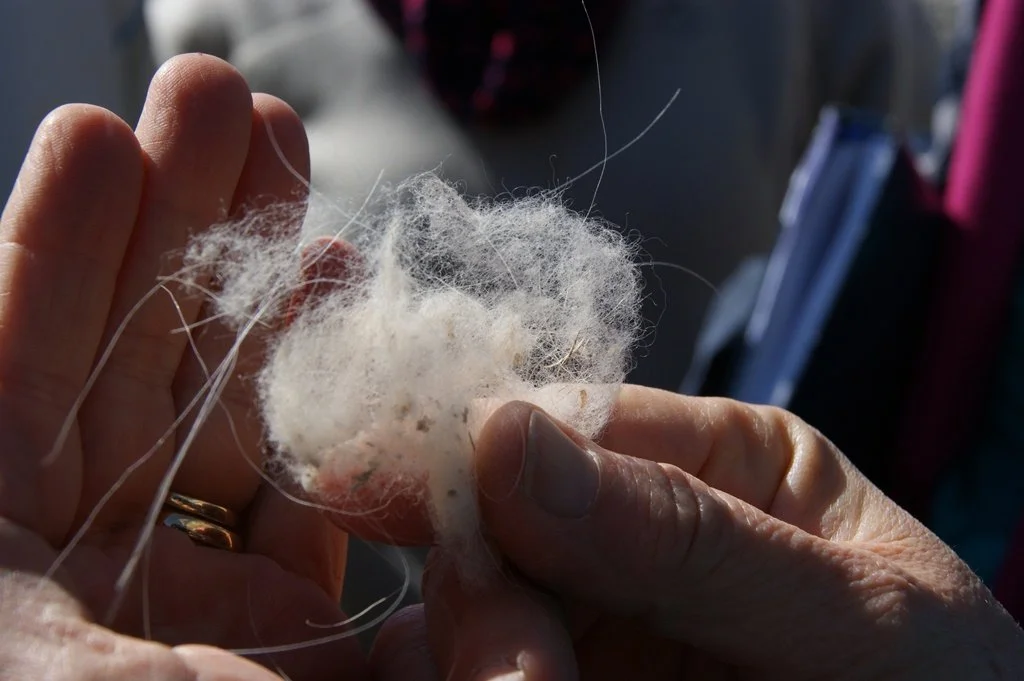
Color : Grey/ Brown/Wheat in color
Production: Each goat produces a very small amount of usable fiber, often only about 150g per year, which contributes to its high cost and luxury
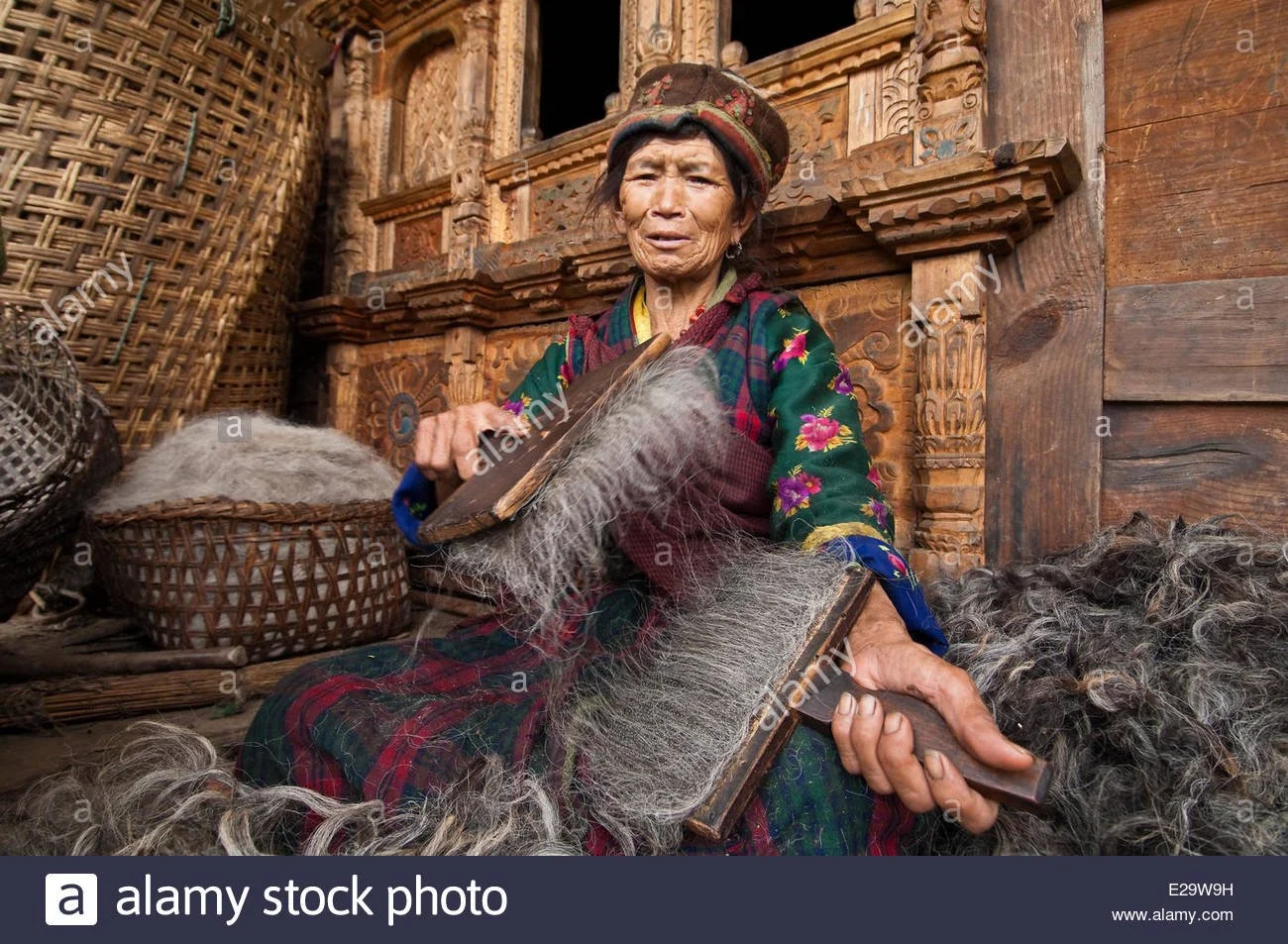
Down fiber combed from the fine undercoat of cashmere goats, which is separated from the coarse, outer guard hair during the spring molting season.
Breed - Himalayan Changra - freeland grazing at altiture ….meters above sea level. Raw Cashmere - Raw Cashmere light Grey/brown whitsh in color
Changthangi goats are raised in small numbers by the nomadic herders that inhabit a crescent stretching from the valleys of Ladakh in northern India, across southwestern Tibet, and into the Dolpo and Mustang valleys of Nepal. The Changpa rotate their goats across a series of high-altitude grazing grounds each year. Each adult goat produces only about 3 or 4 ounces of pashmina, “soft gold,” the finest and rarest form of cashmere.
Uses: For weaving in modern looms or traditional looms ( like Kargha), Knitting/Crocheting as a fingerling weight yarn or any other fiber arts
Spinning Technique: Spun on traditional hand charka and drop spindle
Fiber : 100% Dehairedf Undyed Raw Himalayan Pashmina Cashmere
Yardage: Approx. 200 meters / 50 grams per paper bobbin
Suggested Needles: US 3-5 (3.25mm-3.75mm)
Care Instruction: hand wash in cold water, lay flat to dry
Source : The only source of true pashmina is the Changthangi goat, a special breed of cashmere goat native to the high valleys of the western Himalayas.
Micron- Ranging between 12 to 13 microns. This places Nepal’s Pashmina Cashmere at the top tier of fine fibres, with diameters far finer than even the most delicate human hair. Sheep between 22-25
Makes Friends with other fiber like : Silk, Merino, Cashmere
Color : Grey/ Brown/Wheat in color
Production: Each goat produces a very small amount of usable fiber, often only about 150g per year, which contributes to its high cost and luxury
Down fiber combed from the fine undercoat of cashmere goats, which is separated from the coarse, outer guard hair during the spring molting season.
Breed - Himalayan Changra - freeland grazing at altiture ….meters above sea level. Raw Cashmere - Raw Cashmere light Grey/brown whitsh in color
Changthangi goats are raised in small numbers by the nomadic herders that inhabit a crescent stretching from the valleys of Ladakh in northern India, across southwestern Tibet, and into the Dolpo and Mustang valleys of Nepal. The Changpa rotate their goats across a series of high-altitude grazing grounds each year. Each adult goat produces only about 3 or 4 ounces of pashmina, “soft gold,” the finest and rarest form of cashmere.